

01 Content
And where mid-century modern fits in
These two words get used interchangeably all the time.
But in design, they don’t mean the same thing. And once you separate them, it becomes much easier to understand why so many people are drawn to a certain look without being able to name it.
"Modern" has a fixed meaning
“Modern” comes from Modernism.
It’s not about what’s new. It’s a design approach that came out of the early to mid 20th century, focused on clarity, function, and stripping away unnecessary detail.
That’s where things like clean lines, minimal ornamentation, and open planning come from.
Where mid-century modern comes in
The layout was reworked from the inside out. We removed load bearing walls to open the main floor. This change created one continuous kitchen and living space.
Mid Century Modern is a key part of this broader movement. Many people look for this style when discussing
A few key influences drove this
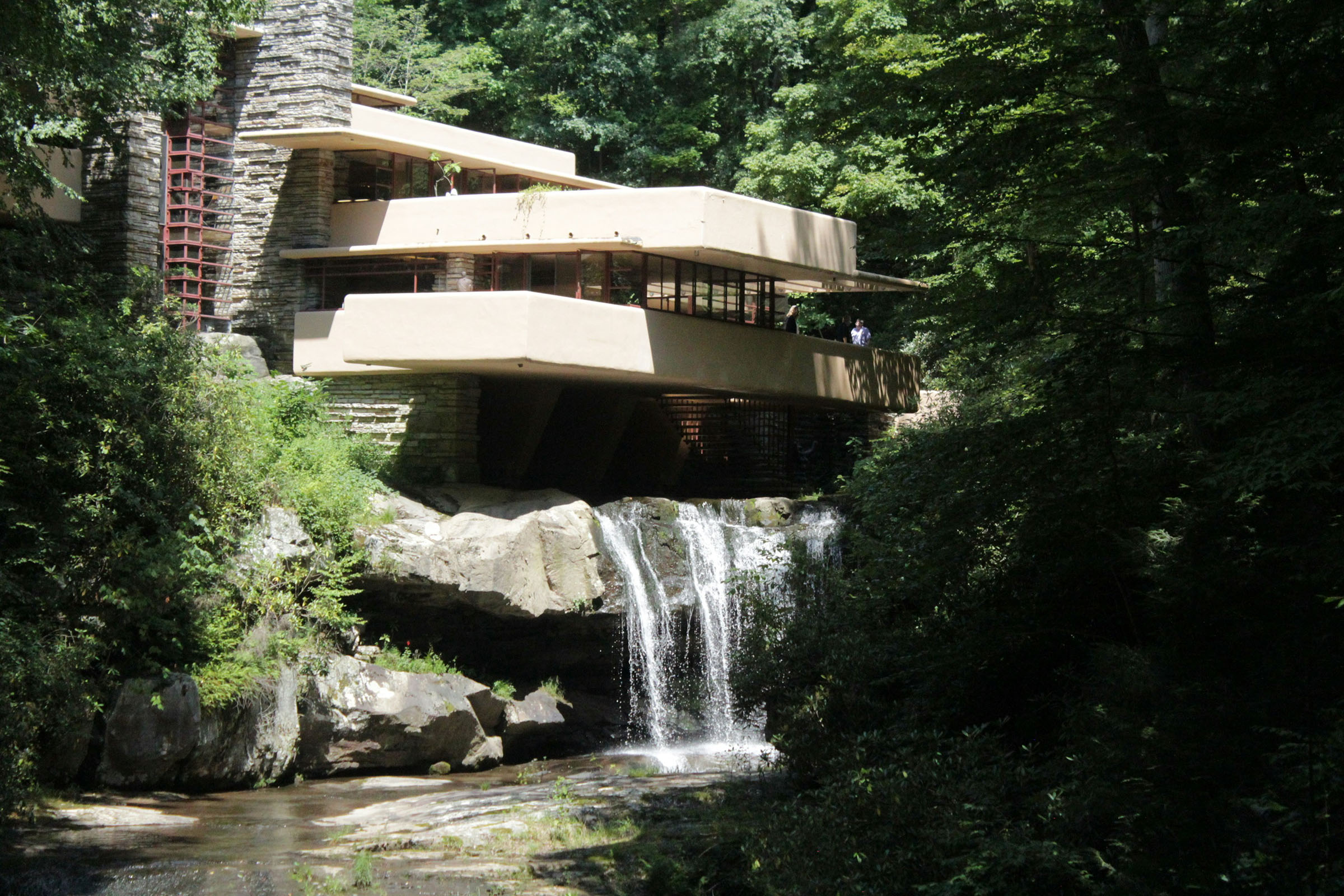
Why it still works today
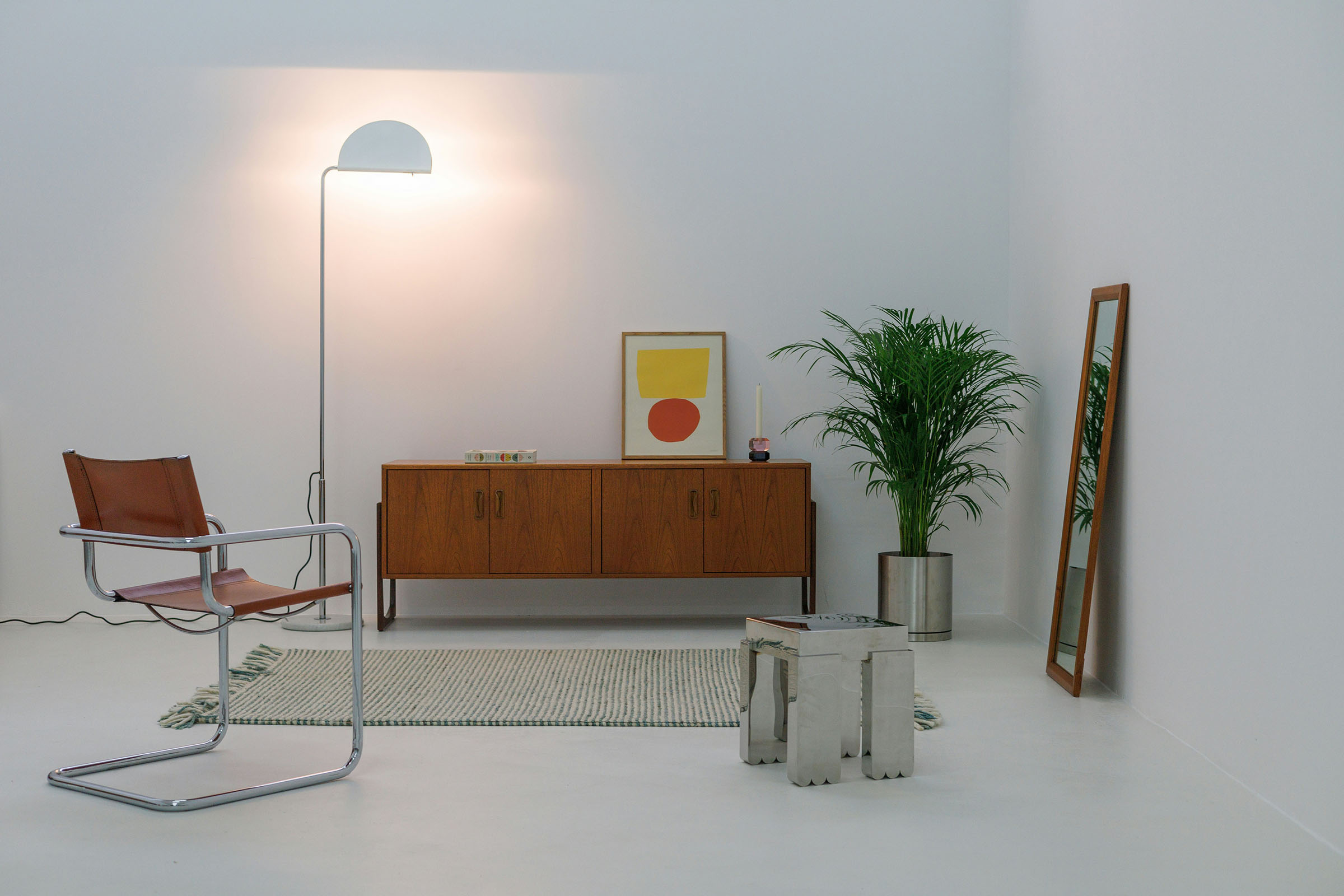
Mid-century modern holds up because it sits in the middle.
• It’s clean, but not cold
• It uses natural materials, but keeps them controlled
• It feels designed, but not overworked
You’ll see:
• Strong horizontal lines
• Wood tones like walnut or teak
• Integrated millwork
• Balanced contrast, not extremes
It’s not trying to stand out aggressively, which is exactly why it lasts.
“Contemporary” is something else
Contemporary just means current.
It shifts with time, trends, and preferences. What feels contemporary today might lean:
• Softer
• More textured
• Slightly more layered
• Less strict than traditional modernism
It borrows from different styles, including mid-century, but it’s not tied to any one of them.
Where people get stuck
A lot of spaces try to combine everything:
• Some mid-century influence
• Some current trends
• A few generic “modern” elements
Without a clear direction, it ends up feeling mixed rather than intentional.
The issue isn’t mixing styles. It’s doing it without a strong base.
What actually helps
Instead of focusing on labels, it’s more useful to define a direction:
• Do you want warmth or contrast?
• Clean and minimal, or slightly layered?
• Strong materials, or softer transitions?
Once that’s clear, whether it leans more mid-century or contemporary becomes obvious.
“Modern” is a defined idea.
“Contemporary” keeps moving.
Mid-century sits in between, which is why so many people naturally gravitate toward it.
06 Insights